
Cast Iron & Corn Sticks
Worth a Mention in Your Will
Cast iron cookware has been treasured by so many generations, some women mention it in their will.
Even George Washington’s grandmother, Mary Hewes, left specific instructions in her will about whom the pieces should go to, stating that her daughter Mary Ball, Washington’s mother, should receive the valued pieces. Adam Smith notes in his book, The Wealth of Nations (published in March 1776), that the actual wealth of the nation was not its gold but in its manufacture of pots and pans. Lewis and Clark explored America for two years, and the only things they brought back from that journey were guns and their iron pots.
Without a doubt, the best wedding present we received was a large cast iron skillet. My sister-in-law said, “I wanted it big enough so that you could cook a whole chicken.” It’s heavy. I have to use both hands to lift it. After 40 years of marriage, it has obtained a smooth, shiny black patina and I love my cast iron skillet.

I remember watching my grandmother using her cast iron pan to wilt lettuce. Chunks of leftover bacon, diced onion and garden-grown lettuce that she and I had picked that morning, stirred in re-heated bacon grease. I’ve never tasted anything like it since.
SOAP OR NO SOAP?
My parents were extremely picky about their cast iron. No soapy dishwater, ever, and I tend to follow that rule. If I had used soap on my dad’s skillets, I would have been grounded. Today, there dishwashing detergent is much milder without the lye. Heat your skillet and then place the hot skillet in the sink and fill with hot water. That sizzle and rising steam will clean it without taking off the desired seared seasoning and finish. Use baking soda and a nylon scrub brush to clean. No soaking, harsh chemicals or soapy water to wash your cast iron, and re-oil after every use. Sturdy, metal spatulas or serving spoons work best. Always pre-heat before adding the food.
The Lodge Made Right
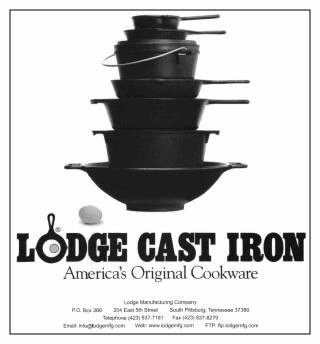
Englishman Joseph Lodge first settled in the town of South Pittsburgh, Tennessee in 1896 where he opened his foundry. Early pots and kettles were made by pouring molten iron into a sand mold. Today the foundry continues to create cookware using a secret metal formula, upholding a standard for cookware not found anywhere else. Their skillets, Dutch ovens, kettles, grill pans, and griddles are sold and used all over the world. This versatile cookware can be used over campfires, on stove-tops, and in ovens. “The Lodge Made Right” (TM) is a trademarked message for the most popular cookware.
Corn Bread Sticks for the Win!
Corn bread sticks cooked in the iron mold were my father’s favorite, crispy on the outside, moist and steaming on the inside. I liked mine piled high with butter. Nothing cooks cornbread better than a cast iron skillet. Cast iron heats slowly, cooks food evenly and is a superior conductor of heat. It has been used for centuries.
Here’s a recipe for corn sticks, and you can find more authentic cornbread recipes in either of my history-cookbooks, KEEP ‘EM FULL AND KEEP ‘EM ROLLIN’ or END OF THE TRAIL EATS.

RECIPE for CORNSTICKS
- 1 tablespoon shortening for greasing pan
- 1 tablespoon shortening for batter, melted
- 1 1/2 cups white cornmeal
- 1/2 cup flour
- 1 teaspoon salt
- 2 teaspoons baking powder
- 1/2 teaspoon baking soda
- 1 egg
- 1 cup buttermilk
- 1/4 cup water
Grease corn-stick pans with shortening, place in oven and heat while oven preheats to 450 degrees. Mix cornmeal, flour, salt, soda, and baking powder. Then add egg and buttermilk and beat with spoon. Add melted shortening and enough water to make a thin batter. Remove cornstick pan or pans from oven (be sure that pans are very hot) and fill each stick 2/3 full. Bake until slightly brown on top, about 15 minutes. Makes about 15 cornsticks. Thin batter, hot cast iron pans, and hot oven are the secrets to good cornsticks.
Natalie Bright is a blogger, author, speaker and content creator. Her article about the Windy Duece Wildfire won the 2025 Award from the Academy of Western Artists. Both of her history cookbooks have been recognized by the Will Rogers Medallion Awards with a first place gold medallion. Her kids books feature horses; historical western TROUBLE IN TEXAS series for middle grades, is a wild west adventure for the entire family, and the RESCUE ANIMAL series features true stories about rescue horses. She is currently working on a book about the German immigrants who settled Texas with coauthor Manuela Schneider. A NEW FATHERLAND will be published in both English and German.
SUBSCRIBE NOW
Social Media


